How AI Chatbots Improve Customer Experience: A Complete Guide for Modern Businesses (2026)
Customer expectations have changed dramatically in the digital era. Today's consumers expect instant responses, personalized interactions, seamless support, and round-the-clock availability across websites, mobile apps, and messaging platforms. Businesses that fail to meet these expectations risk losing customers to competitors offering faster and more convenient service.
This is where Artificial Intelligence (AI) chatbots have become a game changer.
Unlike traditional chat systems that rely solely on human agents, AI chatbots use Natural Language Processing (NLP), Machine Learning (ML), and conversational AI to understand customer queries, provide intelligent responses, automate repetitive tasks, and assist users in real time.
Whether it's answering product questions, tracking orders, scheduling appointments, or qualifying leads, AI chatbots are transforming the way businesses interact with customers.
In this guide, you'll learn how AI chatbots improve customer experience, their key benefits, real-world applications, implementation best practices, and why they have become an essential part of modern customer engagement strategies.
Quick Answer
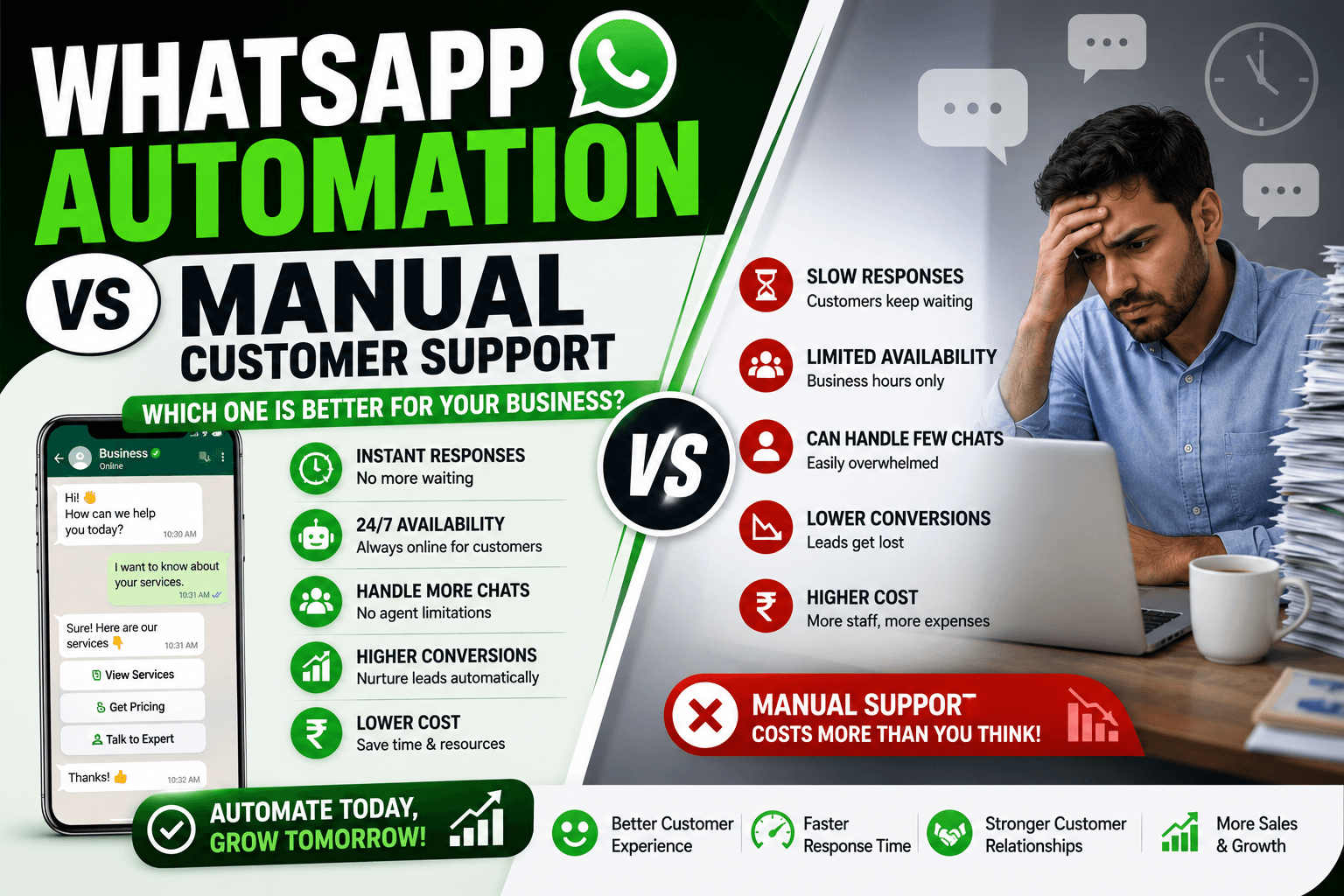
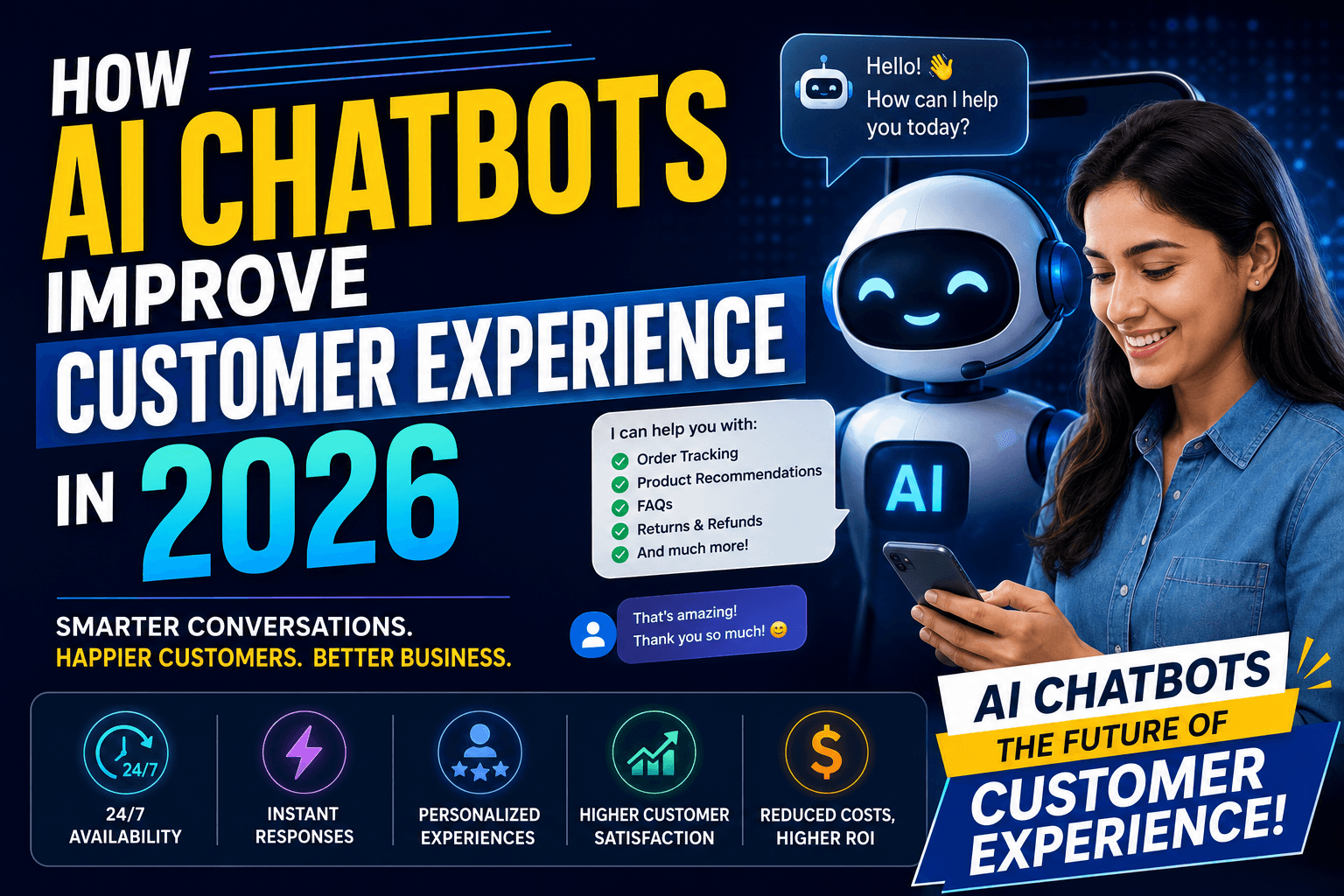
AI chatbots improve customer experience by providing instant responses, 24/7 availability, personalized support, faster problem resolution, consistent communication, and seamless integration across multiple digital channels.
They help businesses reduce response times, improve customer satisfaction, increase operational efficiency, and support human teams by automating repetitive conversations.
What Is an AI Chatbot?
An AI chatbot is software powered by artificial intelligence that can understand, interpret, and respond to human conversations in natural language.
Unlike rule-based chatbots that follow predefined decision trees, AI chatbots can:
- Understand user intent
- Learn from previous interactions
- Handle more complex conversations
- Provide context-aware responses
- Escalate complex issues to human agents when necessary
Many AI chatbots are deployed on:
- Business websites
- Mobile applications
- Facebook Messenger
- Customer support portals
- E-commerce platforms
Why Customer Experience Matters
Customer experience (CX) refers to every interaction a customer has with a business from discovering a product to post-purchase support.
A positive customer experience often leads to:
- Higher customer satisfaction
- Increased loyalty
- More repeat purchases
- Positive reviews and referrals
- Stronger brand reputation
AI chatbots contribute by making these interactions faster, smoother, and more consistent.
How AI Chatbots Improve Customer Experience
1. 24/7 Customer Support
One of the biggest advantages of AI chatbots is their ability to provide assistance at any time.
Customers no longer need to wait for business hours to:
- Ask questions
- Check order status
- Request information
- Book appointments
- Receive basic support
This continuous availability improves convenience, especially for businesses serving customers across different time zones.
2. Instant Responses
Long response times are a common source of customer frustration.
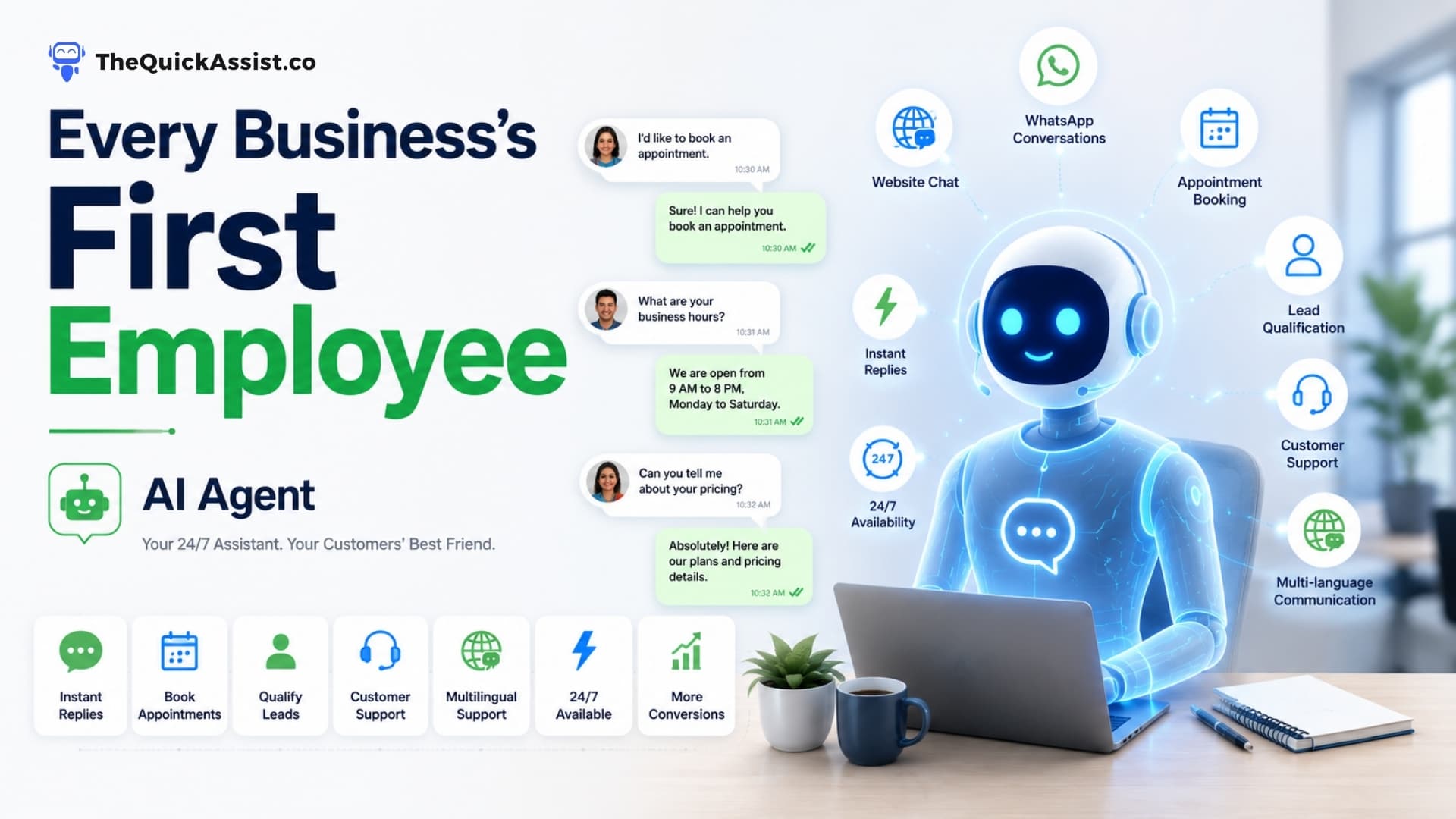
AI chatbots can instantly answer frequently asked questions such as:
- Product availability
- Pricing information
- Delivery timelines
- Return policies
- Account assistance
By reducing waiting time, businesses create a smoother and more satisfying customer journey.
3. Personalized Customer Interactions
Modern AI chatbots can use customer data where appropriate and with proper privacy safeguards to deliver more relevant interactions.
For example, a chatbot may:
- Recommend products based on browsing history
- Provide updates on recent orders
- Remember previous conversations
- Offer personalized support options
Personalization helps customers feel understood rather than treated as anonymous users.
4. Faster Problem Resolution
AI chatbots can quickly gather information, identify common issues, and provide step-by-step solutions.
If the issue requires human expertise, the chatbot can transfer the conversation while sharing relevant context, reducing the need for customers to repeat information.
5. Consistent Customer Service
Unlike human teams that may vary in availability or communication style, AI chatbots provide consistent answers based on approved business information.
This consistency helps maintain service quality across thousands of customer interactions.
6. Multilingual Communication
Many AI-powered chatbots can support multiple languages, allowing businesses to communicate with a broader audience and improve accessibility for international customers.
7. Omnichannel Customer Experience
Customers interact through different channels during their buying journey.
AI chatbots can support conversations across:
- Websites
- Mobile apps
- Social media
- Live chat platforms
Providing a more connected experience regardless of where the customer initiates contact.
8. Reduced Waiting Queues
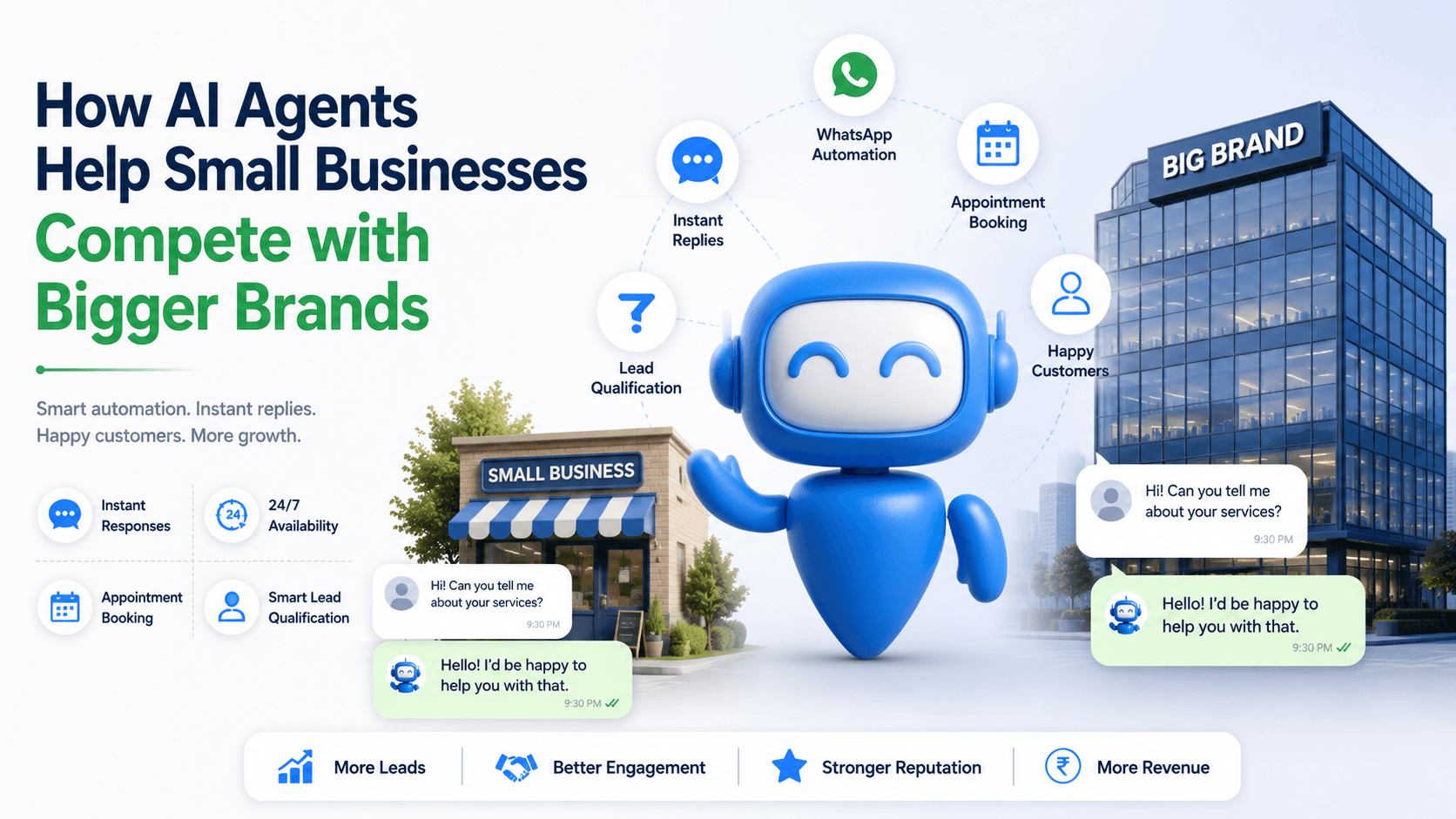
By automatically handling routine inquiries, AI chatbots allow human support teams to focus on more complex or sensitive cases.
This improves overall service efficiency and reduces customer wait times.
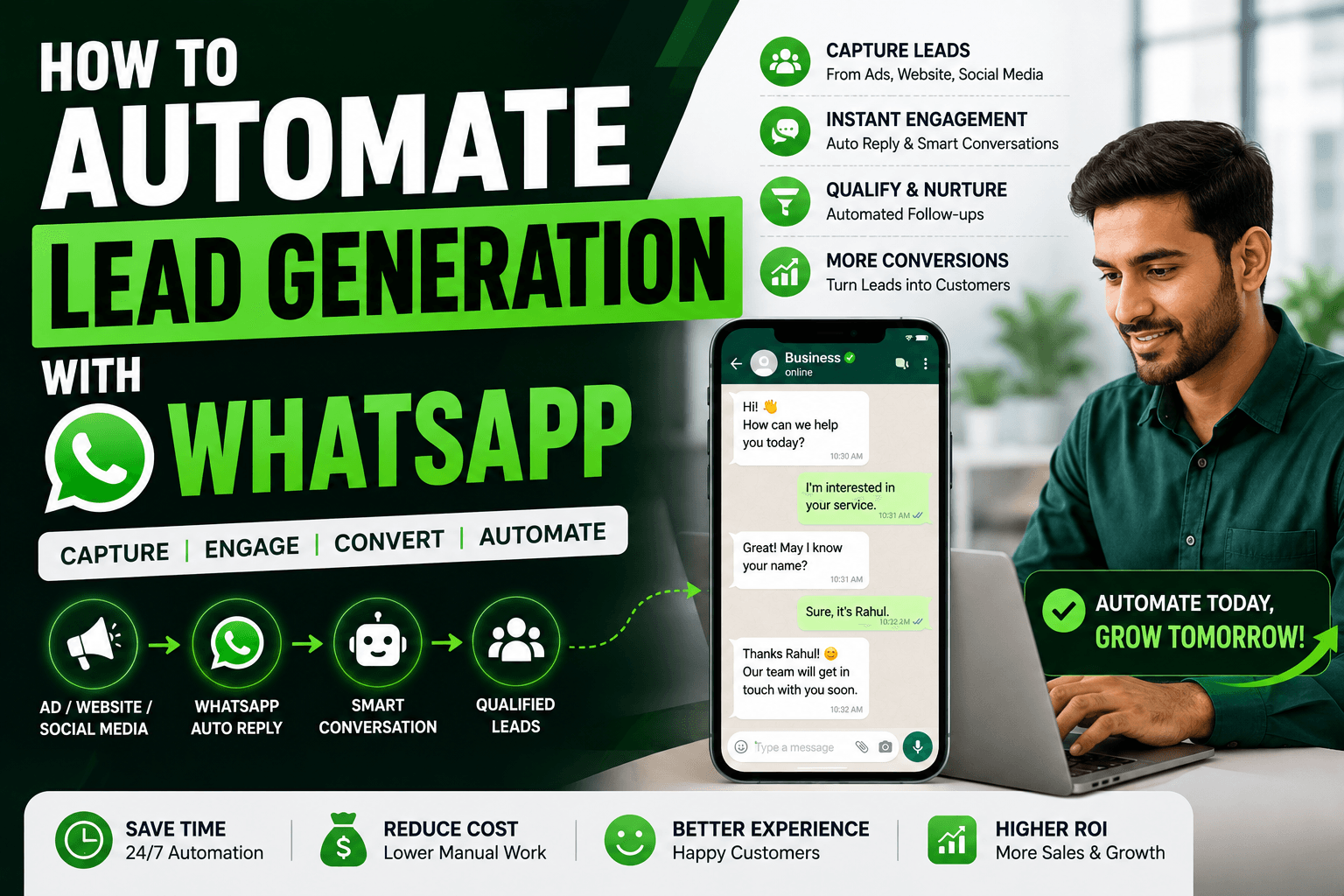
9. Better Lead Qualification
AI chatbots don't just support existing customers they also help generate new business.
- Ask qualifying questions
- Collect contact information
- Identify customer requirements
- Route leads to the appropriate sales representative
This streamlines the sales process without replacing human relationship-building.
10. Continuous Learning and Improvement
Some AI chatbot platforms can improve over time by analyzing conversation patterns and identifying areas where responses need refinement. Human review and oversight remain important to ensure accuracy and quality.
Business Benefits Beyond Customer Experience
Implementing AI chatbots can also support business operations by:
- Reducing repetitive support tasks
- Improving response consistency
- Increasing team productivity
- Supporting scalable customer service during peak demand
- Collecting insights into common customer questions
These operational improvements often complement better customer experiences.
Industries Using AI Chatbots
AI chatbots are widely adopted across industries, including:
- E-commerce
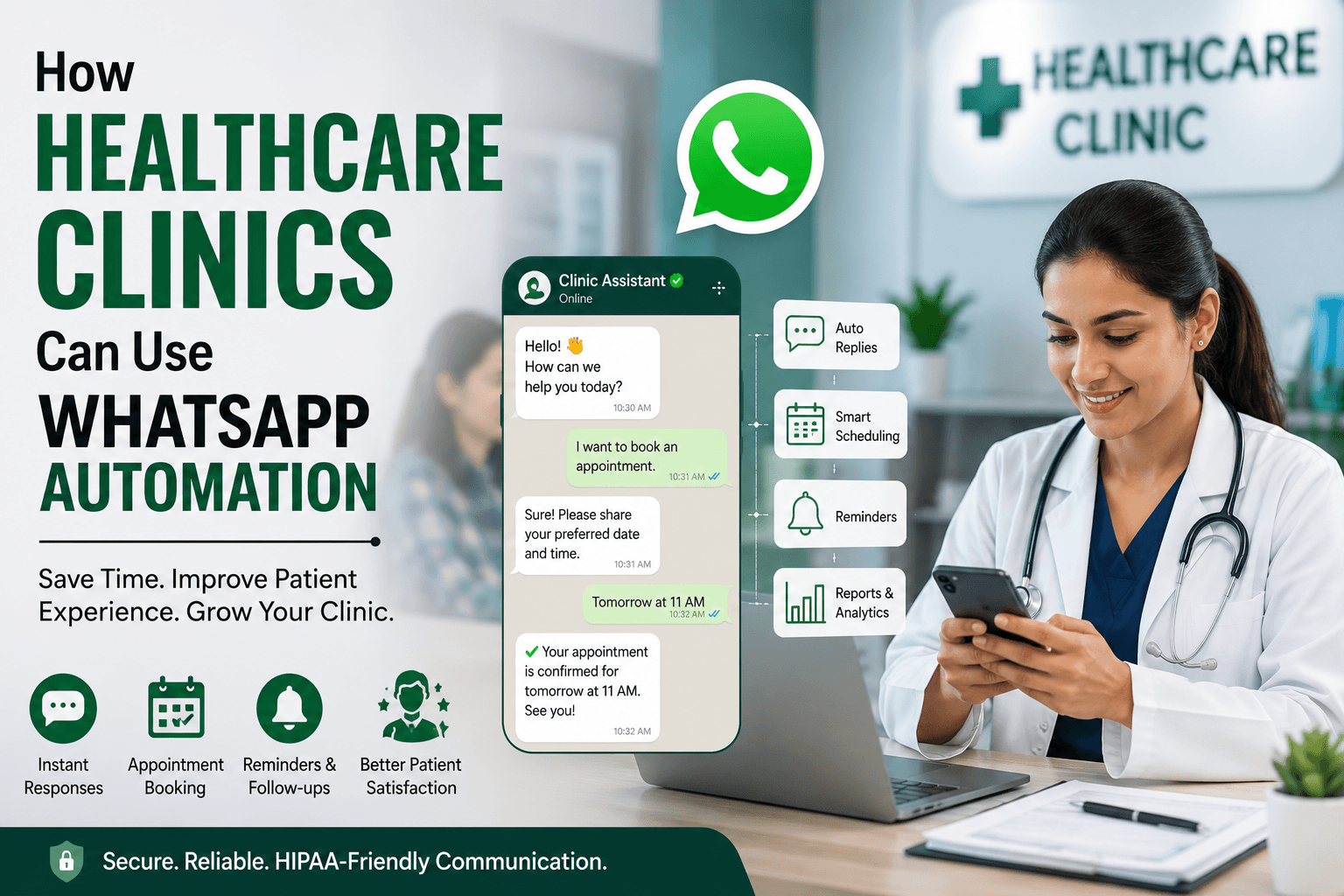
- Healthcare
- Banking and financial services
- Education
- Travel and hospitality
- Real estate
- Insurance
- Telecommunications
- Retail
- SaaS and technology companies
Each industry adapts chatbot workflows to its own customer needs and regulatory requirements.
Best Practices for Implementing AI Chatbots
Define Clear Objectives
Determine whether the chatbot will focus on support, sales, lead generation, or a combination of tasks.
Offer Human Escalation
Customers should always have the option to connect with a human agent when needed.
Keep Responses Accurate
Regularly update chatbot knowledge to reflect current products, services, and policies.
Respect Privacy
Handle customer information responsibly and comply with applicable privacy regulations.
Monitor Performance
Track metrics such as:
- Response time
- Customer satisfaction
- Resolution rate
- Escalation frequency
- Conversation completion
Use these insights to improve chatbot performance over time.
Common Mistakes to Avoid
Businesses should avoid:
- Over-automating every interaction
- Making it difficult to reach a human representative
- Providing outdated or inaccurate information
- Ignoring customer feedback
- Deploying chatbots without regular monitoring
AI works best when combined with thoughtful human oversight.
Frequently Asked Questions
How do AI chatbots improve customer experience?
AI chatbots improve customer experience by offering instant responses, 24/7 support, personalized interactions, quicker issue resolution, and consistent communication across multiple channels.
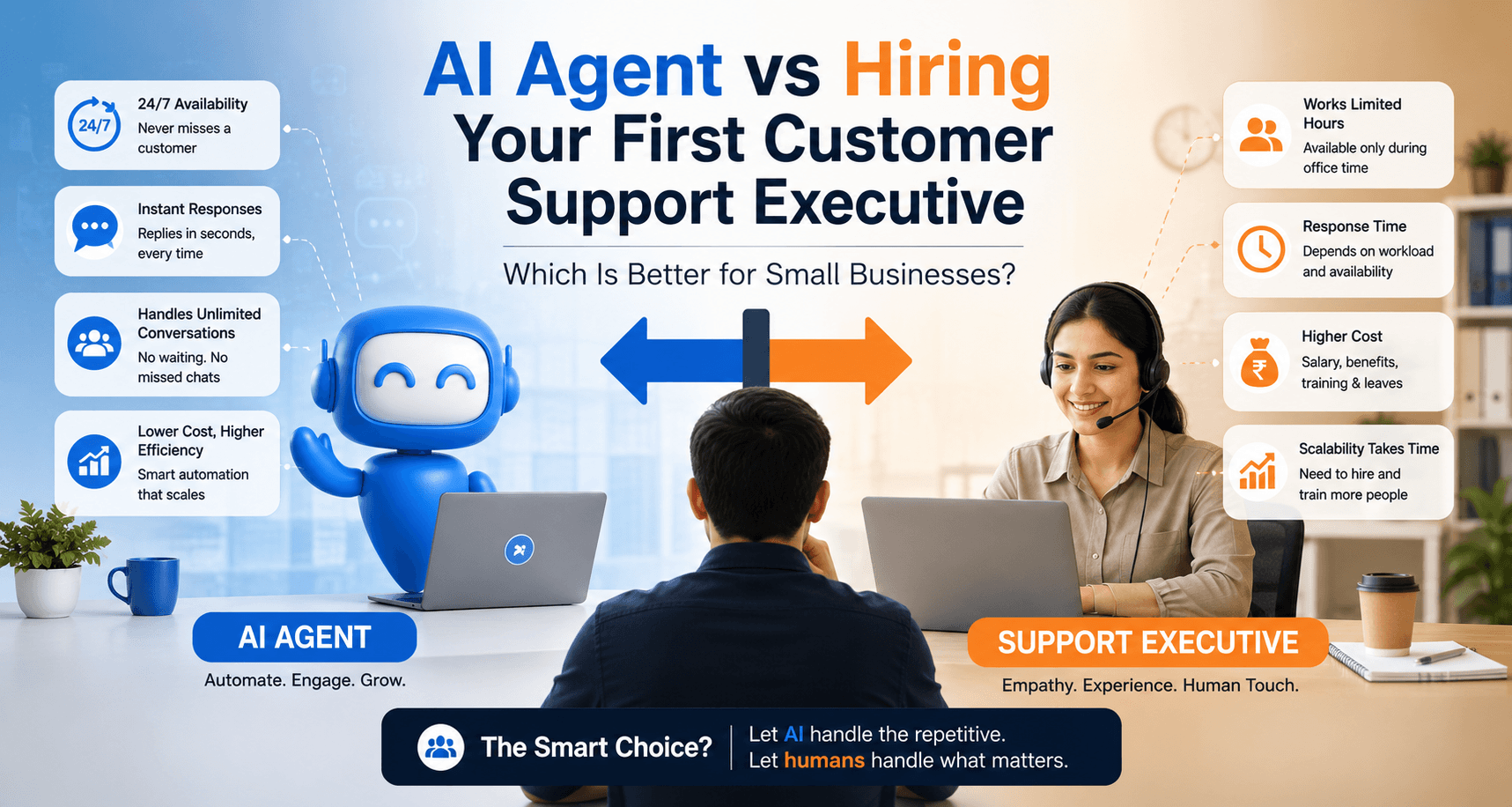
Can AI chatbots replace human customer support?
Not entirely. AI chatbots are most effective at handling routine inquiries and assisting with repetitive tasks, while human agents remain essential for complex, sensitive, or high-value interactions.
Are AI chatbots suitable for small businesses?
Yes. Many AI chatbot platforms offer scalable solutions that can help small businesses improve responsiveness and customer engagement without requiring large support teams.
Which industries benefit most from AI chatbots?
Industries with frequent customer interactions such as e-commerce, healthcare, education, finance, travel, and retail often benefit significantly from AI chatbot technology.
Do AI chatbots work on WhatsApp and websites?
Yes. Many AI chatbot solutions integrate with websites, mobile apps, WhatsApp, and other messaging platforms, enabling businesses to provide support across multiple customer touchpoints.
Final Thoughts
AI chatbots have evolved from simple automated responders into intelligent customer engagement tools that help businesses deliver faster, more personalized, and more consistent support. By handling routine inquiries, qualifying leads, providing 24/7 assistance, and seamlessly integrating with digital communication channels, they enhance both customer satisfaction and operational efficiency.
However, successful chatbot implementation is not about replacing human interaction it's about complementing it. Businesses that combine AI-powered whatsapp automation with knowledgeable human support are better positioned to build trust, strengthen customer relationships, and deliver exceptional experiences at scale. As AI technology continues to advance, organizations that invest in thoughtful, customer-centric chatbot strategies will be better prepared to meet evolving customer expectations.