How Healthcare Clinics Can Use WhatsApp Automation
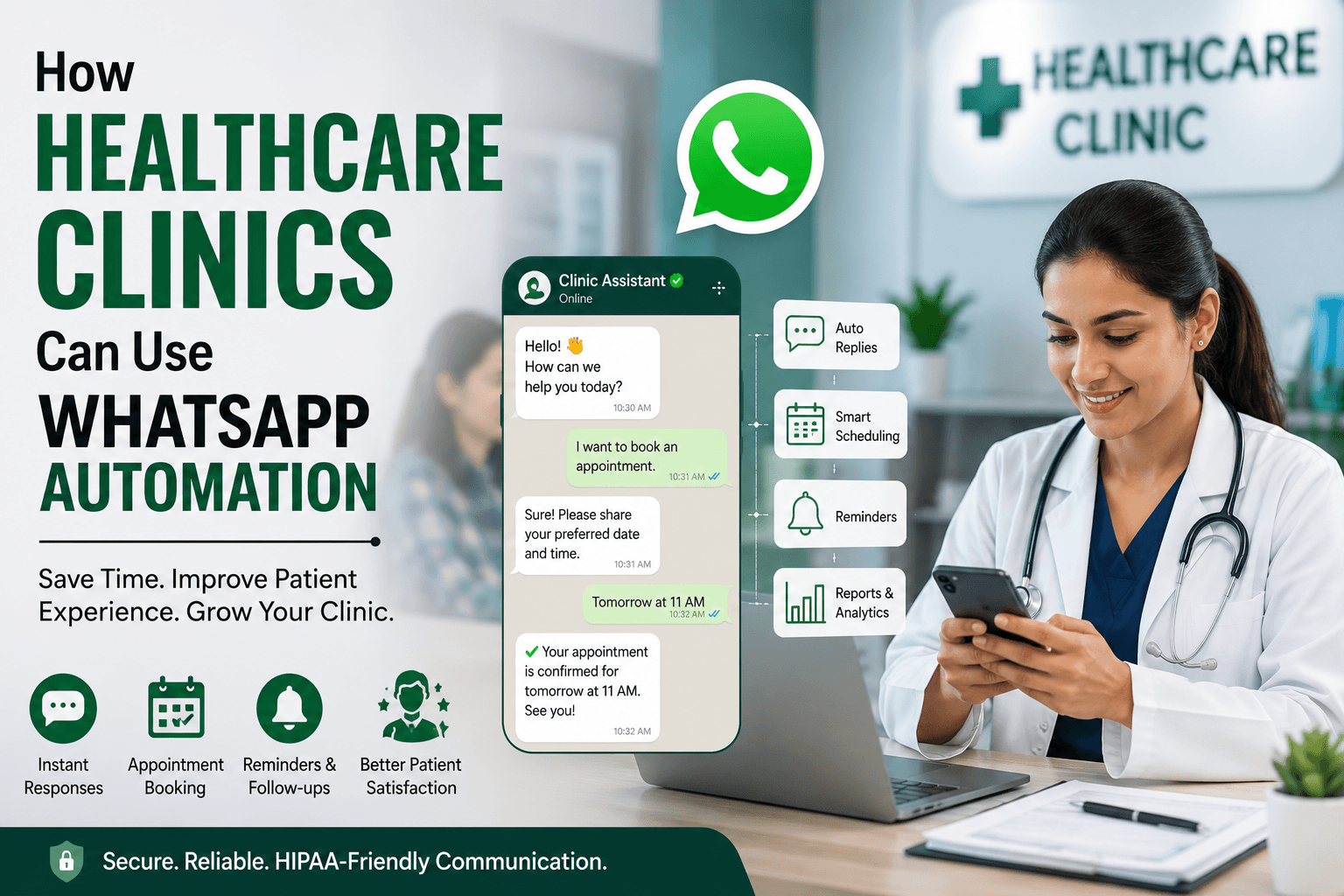
How Healthcare Clinics Can Use WhatsApp Automation
Healthcare has become increasingly digital, and patients now expect fast, convenient, and personalized communication from hospitals, clinics, and healthcare providers. Whether it's booking an appointment, receiving a prescription reminder, or asking a basic question, many patients prefer messaging over phone calls.
Among messaging platforms, WhatsApp has emerged as one of the most widely used communication channels globally. When integrated with automation tools and patient management systems, WhatsApp can help clinics streamline administrative tasks, improve patient engagement, and reduce operational workload.
However, automation in healthcare must always be implemented responsibly. It should support—not replace—qualified healthcare professionals, and clinics must protect patient privacy while complying with applicable healthcare and data protection regulations.
In this guide, you'll learn how healthcare clinics can use WhatsApp automation, explore practical use cases, understand key benefits, and discover best practices for responsible implementation.
Quick Answer
Healthcare clinics can use WhatsApp automation to manage appointment scheduling, send reminders, answer common administrative questions, share approved educational resources, collect patient feedback, and streamline routine communication.
Automation improves efficiency by handling repetitive administrative tasks, while clinical decisions, diagnoses, and treatment recommendations should remain the responsibility of qualified healthcare professionals.
What Is WhatsApp Automation?
WhatsApp automation uses the WhatsApp Business Platform, AI-powered chatbots, workflow automation, and clinic management software to automate routine patient communication.
Examples include:
- Appointment booking
- Appointment confirmations
- Appointment reminders
- Follow-up messages
- Billing notifications
- Health awareness campaigns
- Patient feedback requests
- Frequently asked questions
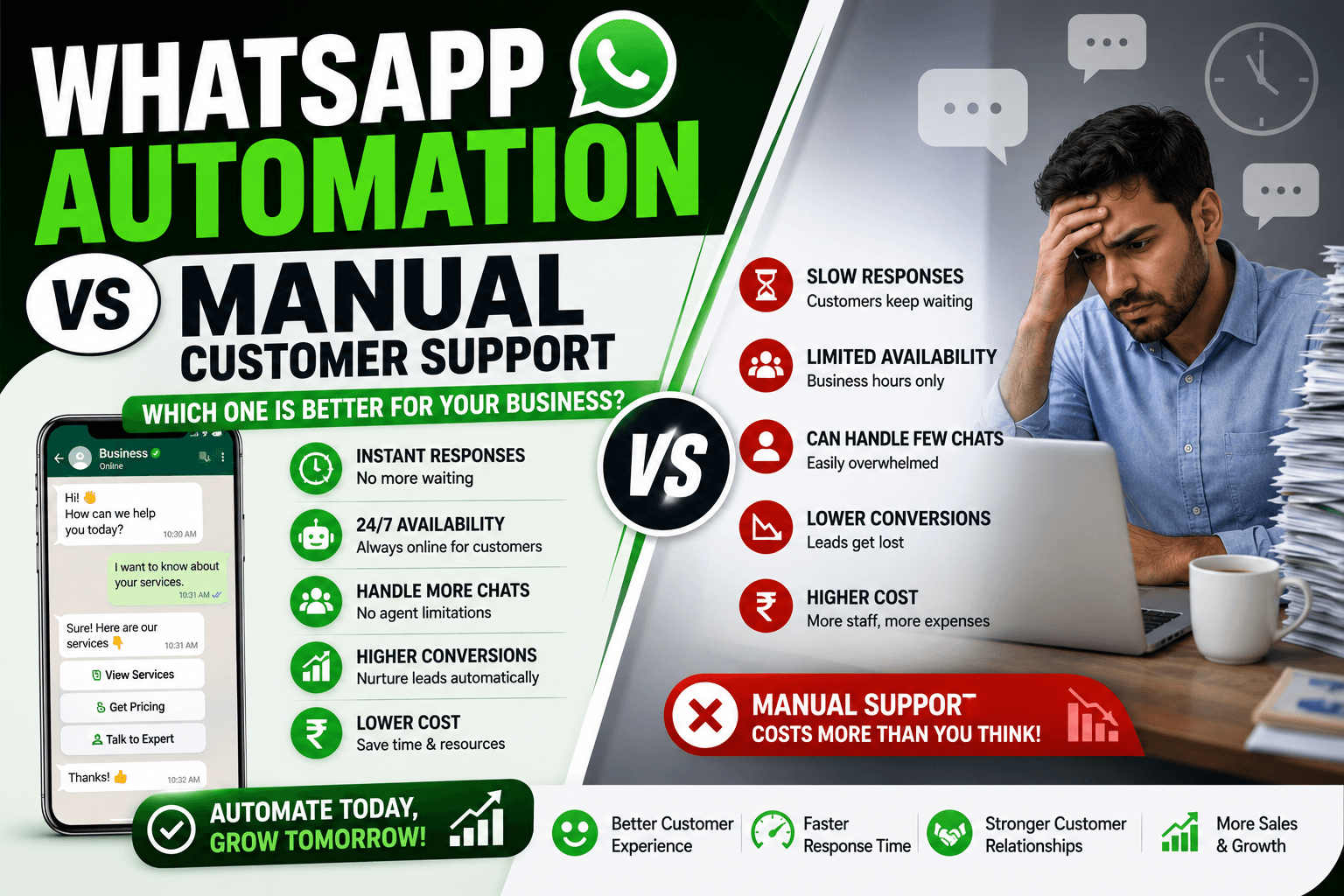
Automation helps clinics reduce administrative burden while improving communication consistency.
Why Healthcare Clinics Need WhatsApp Automation
Healthcare providers often manage:
- High appointment volumes
- Frequent patient inquiries
- Reminder calls
- Prescription refill requests
- Follow-up scheduling
- Administrative documentation
Handling these tasks manually consumes valuable staff time.
WhatsApp automation allows clinic teams to focus more on patient care by reducing repetitive administrative work.
Benefits of WhatsApp Automation for Healthcare Clinics
1. Simplified Appointment Scheduling
Patients can request appointments directly through WhatsApp without waiting on phone lines.
Automated workflows can:
- Display available time slots
- Collect booking details
- Confirm appointments
- Send calendar reminders
This improves convenience for patients and reduces scheduling errors.
2. Automated Appointment Reminders
Missed appointments affect both patient outcomes and clinic efficiency.
Automated reminders can notify patients about:
- Upcoming consultations
- Follow-up visits
- Diagnostic tests
- Vaccination appointments
- Therapy sessions
Reminder messages can help reduce no-show rates while improving patient preparedness.
3. Frequently Asked Questions
Many patients ask similar administrative questions, such as:
- Clinic timings
- Doctor availability
- Consultation fees
- Location
- Parking information
- Required documents
- Insurance acceptance
A chatbot can provide instant answers to these routine questions, reducing the workload for reception staff.
4. Post-Visit Follow-Ups
After a consultation, clinics can automate follow-up communication such as:
- Post-treatment care instructions
- Medication reminders
- Feedback surveys
- Follow-up appointment scheduling
- General recovery guidance approved by clinicians
These communications should never replace personalized medical advice.
5. Health Education and Awareness
Clinics can use WhatsApp to share educational content, including:
- Preventive healthcare tips
- Vaccination awareness
- Nutrition guidance
- Seasonal health advisories
- Wellness campaigns
Educational messages should come from reliable medical sources and avoid making unsupported claims.
6. Patient Feedback Collection
Gathering feedback helps clinics improve service quality.
Automated surveys can ask patients about:
- Appointment experience
- Waiting time
- Staff behavior
- Facility cleanliness
- Overall satisfaction
Patient feedback can guide operational improvements.
7. Billing and Administrative Notifications
Automation can also support administrative communication by sending:
- Invoice notifications
- Payment confirmations
- Document requests
- Insurance updates
- Appointment receipts
Keeping patients informed reduces confusion and administrative follow-up.
AI Chatbots in Healthcare Communication
AI-powered chatbots can assist with non-clinical interactions by:
- Answering administrative questions
- Collecting appointment requests
- Directing patients to appropriate departments
- Providing clinic information
- Helping patients navigate services
Chatbots should clearly identify themselves as automated systems and direct users to qualified healthcare professionals for medical advice or emergencies.
Integrating WhatsApp with Clinic Management Systems
Many clinics integrate WhatsApp with:
- Electronic Health Record (EHR) systems
- Practice management software
- Appointment scheduling tools
- Customer Relationship Management (CRM) platforms
- Billing systems
Integration helps synchronize administrative workflows and reduces duplicate data entry. Any integration should follow applicable privacy and security requirements.
Best Practices for Healthcare WhatsApp Automation
Obtain Patient Consent
Patients should explicitly agree to receive WhatsApp communications before messages are sent.
Protect Patient Privacy
Avoid sharing sensitive medical information through unsecured channels. Clinics should follow applicable healthcare privacy and data protection regulations.
Keep Clinical Decisions Human
Automation should never replace licensed healthcare professionals in diagnosing conditions or recommending treatments.
Use Clear and Respectful Language
Messages should be easy to understand and avoid unnecessary medical jargon.
Maintain Accurate Information
Educational content, clinic schedules, and administrative details should be reviewed regularly to ensure accuracy.
Provide Human Support
Patients should always have a clear way to contact clinic staff when they need personalized assistance.
Common Mistakes to Avoid
Healthcare providers should avoid:
- Sending messages without patient consent.
- Sharing confidential medical information through inappropriate channels.
- Using chatbots to provide diagnoses or treatment plans.
- Over-automating patient communication.
- Ignoring accessibility and language preferences.
- Failing to update chatbot knowledge with current clinic information.
Patient safety and trust should remain the highest priorities.
Upgrade your patient communication with a WhatsApp CRM for Healthcare designed to simplify appointments, automate follow-ups, and improve patient engagement. Whether you run a clinic, hospital, or diagnostic centre, our solution helps you save time while providing exceptional patient care. Get in touch today.
Healthcare Services That Benefit from WhatsApp Automation
WhatsApp automation can support many healthcare settings, including:
- Family medicine clinics
- Dental practices
- Pediatric clinics
- Physiotherapy centers
- Dermatology clinics
- Diagnostic laboratories
- Eye care centers
- Mental health practices (for administrative communication)
- Vaccination centers
- Wellness clinics
The exact implementation should reflect each clinic's services and patient needs.
Frequently Asked Questions
Can healthcare clinics use WhatsApp automation?
Yes. Clinics can use WhatsApp automation for administrative communication such as appointment scheduling, reminders, patient education, and feedback collection, while ensuring compliance with privacy regulations.
Is WhatsApp suitable for appointment reminders?
Yes. WhatsApp can be an effective channel for sending appointment confirmations and reminders when patients have opted in to receive messages.
Can AI chatbots provide medical advice?
AI chatbots should not replace qualified healthcare professionals. They can assist with administrative tasks and general information but should direct patients to licensed clinicians for diagnosis, treatment, or urgent medical concerns.
Is patient consent required?
Yes. Clinics should obtain patient consent before sending WhatsApp communications and should follow applicable healthcare and data protection laws.
Which healthcare providers benefit most from WhatsApp automation?
Primary care clinics, dental practices, physiotherapy centers, diagnostic laboratories, specialty clinics, and other outpatient healthcare providers can all benefit from automating routine administrative communication.
Final Thoughts
WhatsApp automation offers healthcare clinics an efficient way to improve patient communication, streamline administrative processes, and enhance the overall patient experience. From appointment scheduling and automated reminders to educational messaging and feedback collection, automation can reduce operational workload while helping patients stay informed and engaged.
However, successful implementation depends on using automation responsibly. Clinics should prioritize patient consent, safeguard personal health information, maintain accurate communications, and ensure that medical decisions remain in the hands of qualified healthcare professionals. When thoughtfully integrated with clinic management systems and supported by human expertise, WhatsApp automation can become a valuable tool for delivering efficient, patient-centered healthcare services.