WhatsApp Automation vs Manual Customer Support: Which Is Better for Your Business?
Every business that talks to customers on WhatsApp eventually hits the same fork in the road. As your message volume grows inquiries, bookings, follow-ups, complaints you have to decide whether to keep replying manually or bring in automation to handle at least part of the load.
Neither option is automatically "better." A two-person clinic answering 30 messages a day has very different needs than a real estate brokerage fielding 500 property inquiries during a festive-season sale.
This guide compares WhatsApp automation and manual customer support across cost, speed, scalability, customer experience, and implementation so you can choose the right approach for your business.
Quick Answer
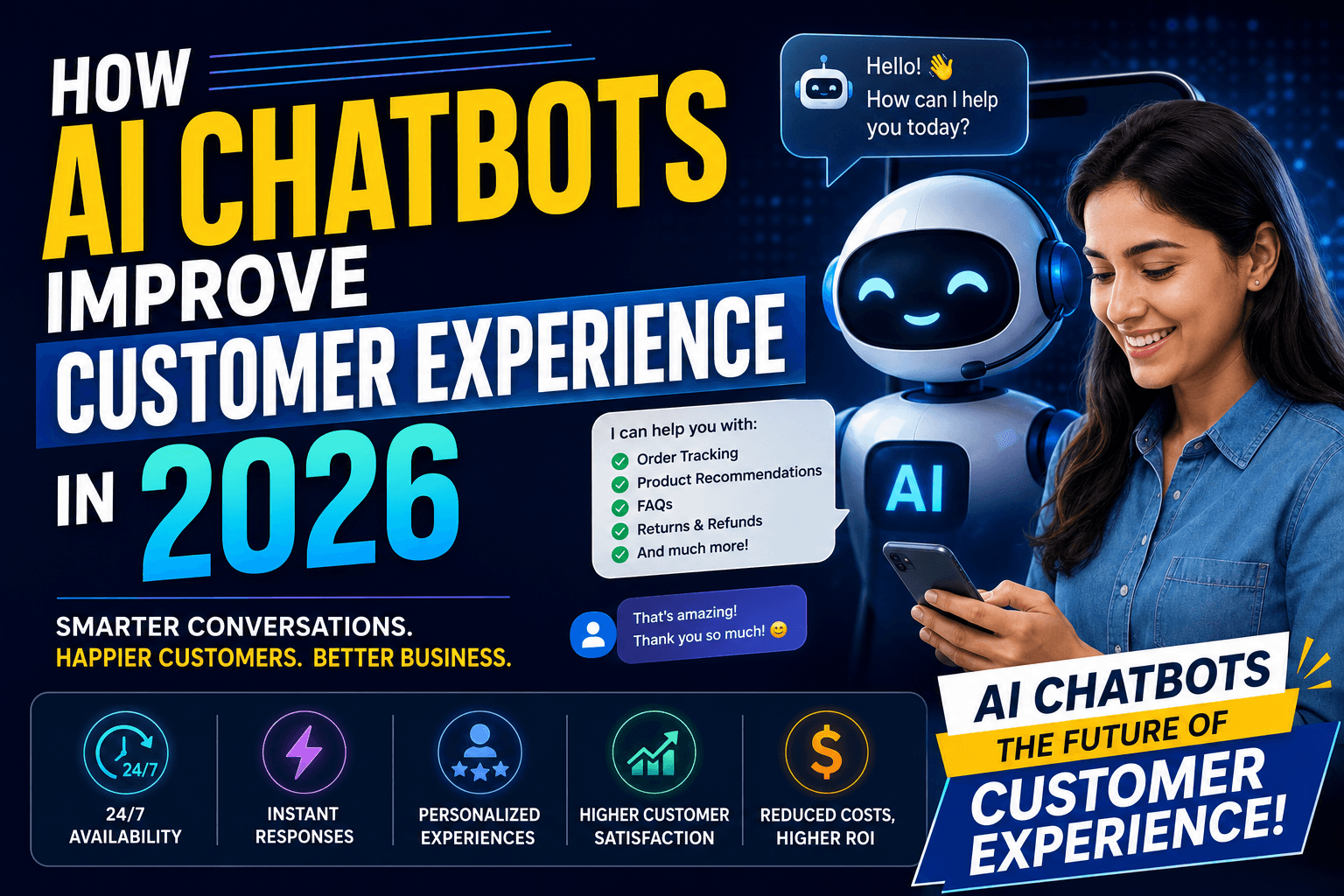
WhatsApp automation uses AI agents chatbots, and workflow automation to answer repetitive questions, qualify leads, send reminders, and provide instant support 24/7.
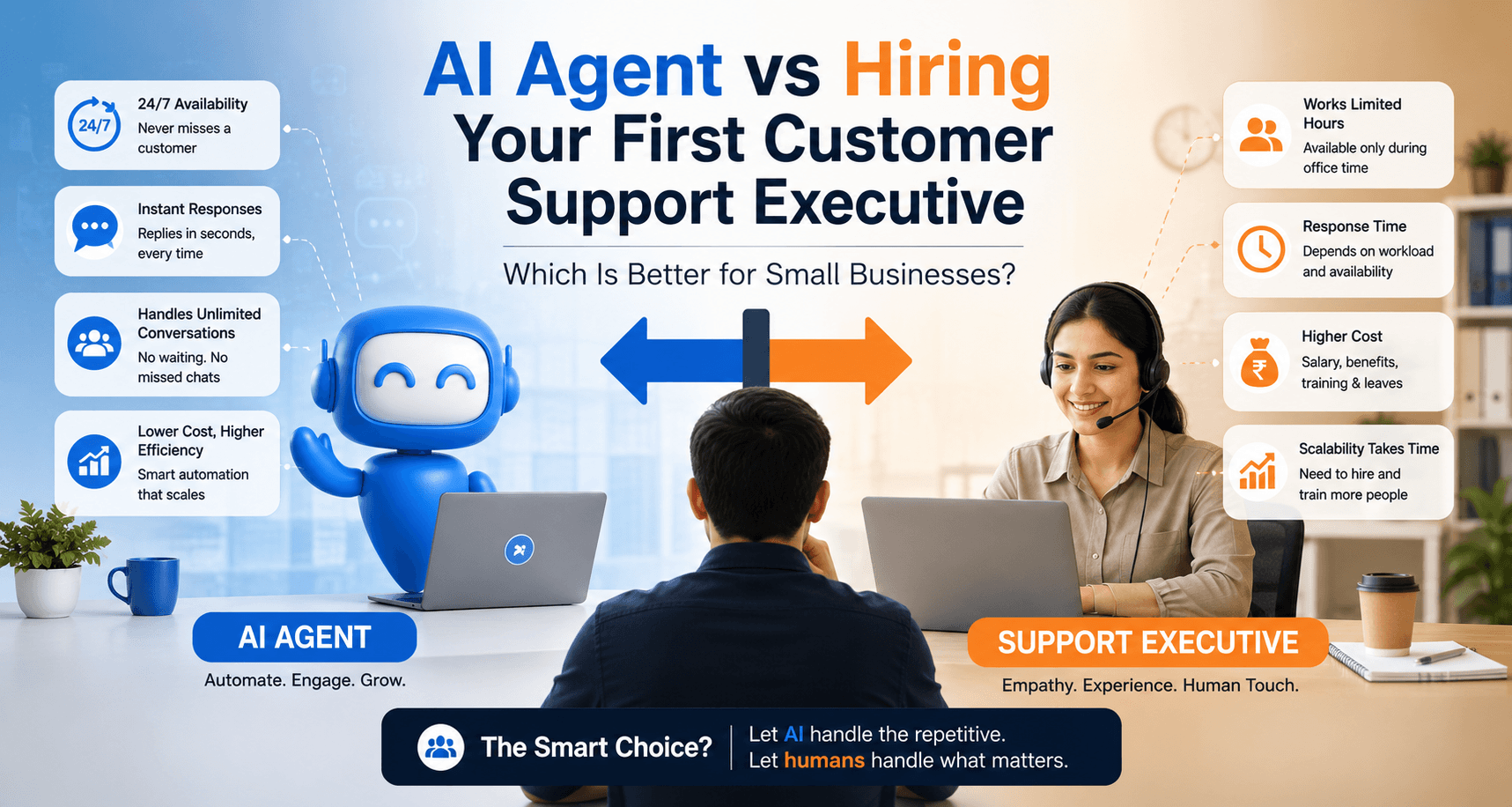
Manual customer support relies on human agents to respond personally to every conversation, offering greater empathy and flexibility but requiring more time and resources.
For most growing businesses, a hybrid approach delivers the best balance: automation handles repetitive conversations while human agents manage complex or sensitive interactions.
Key Takeaways
- Automation provides instant replies 24/7.
- Manual support depends on business hours and staff availability.
- Automation significantly reduces cost per conversation at scale.
- Human agents provide better empathy and judgment.
- High-volume businesses benefit most from automation.
- A hybrid model is now considered the industry standard.
- Poorly designed automation creates customer frustration.
What Is WhatsApp Automation?
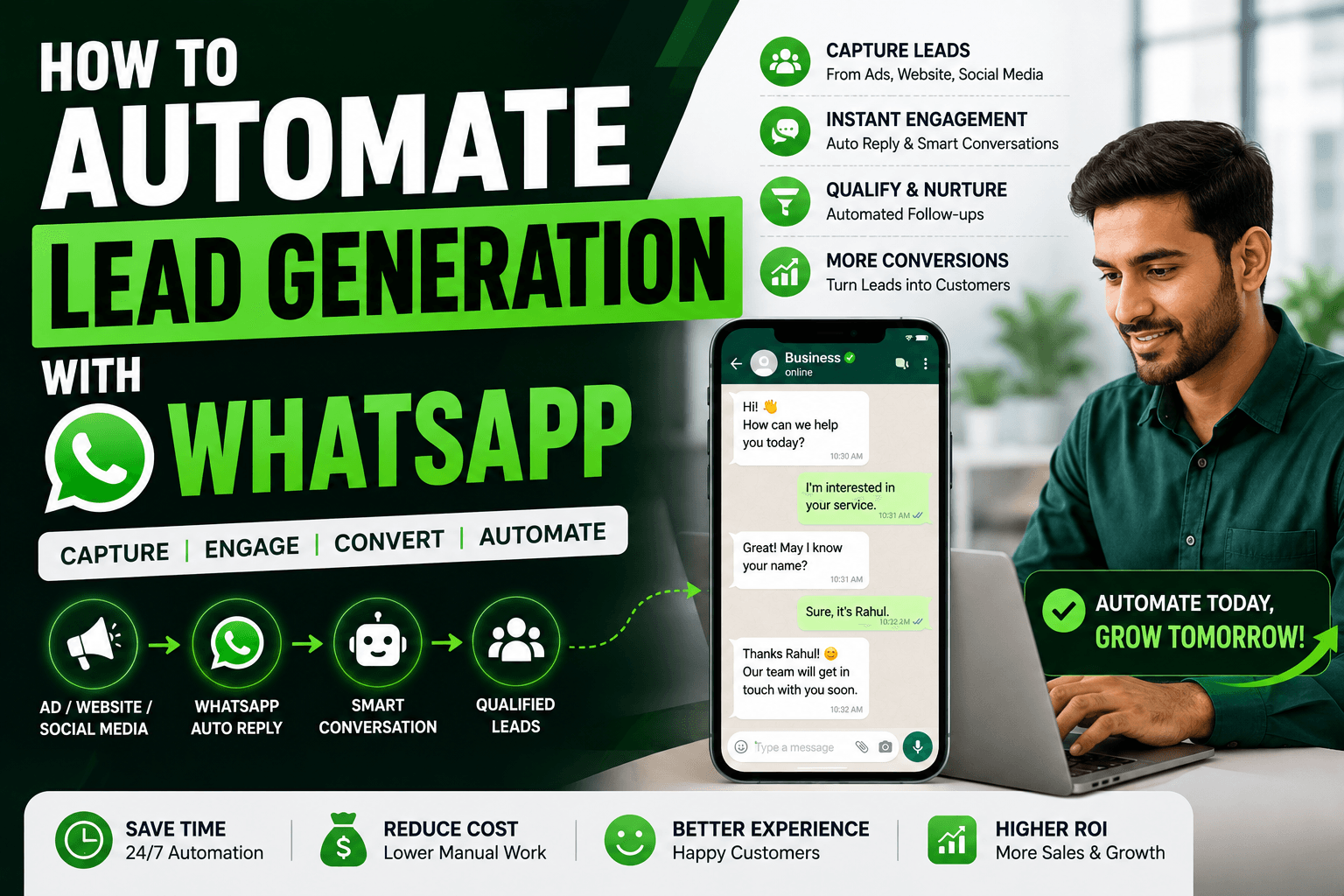
WhatsApp automation refers to using AI chatbots, conversational AI, and rule-based workflows built on the official WhatsApp Business API to handle customer conversations automatically.
Common automation use cases include:
- Instant FAQ responses
- Lead capture and qualification
- Appointment booking
- Appointment reminders
- Order tracking
- Shipping updates
- Post-service follow-ups
- Customer feedback collection
What Is Manual Customer Support?
Manual customer support involves human agents personally reading and responding to every WhatsApp conversation.
This approach is commonly used by:
- Small businesses
- Companies with low message volume
- Businesses handling emotionally sensitive conversations
- Organizations not yet using CRM or automation tools
WhatsApp Automation vs Manual Customer Support
| Factor | WhatsApp Automation | Manual Support |
|---|---|---|
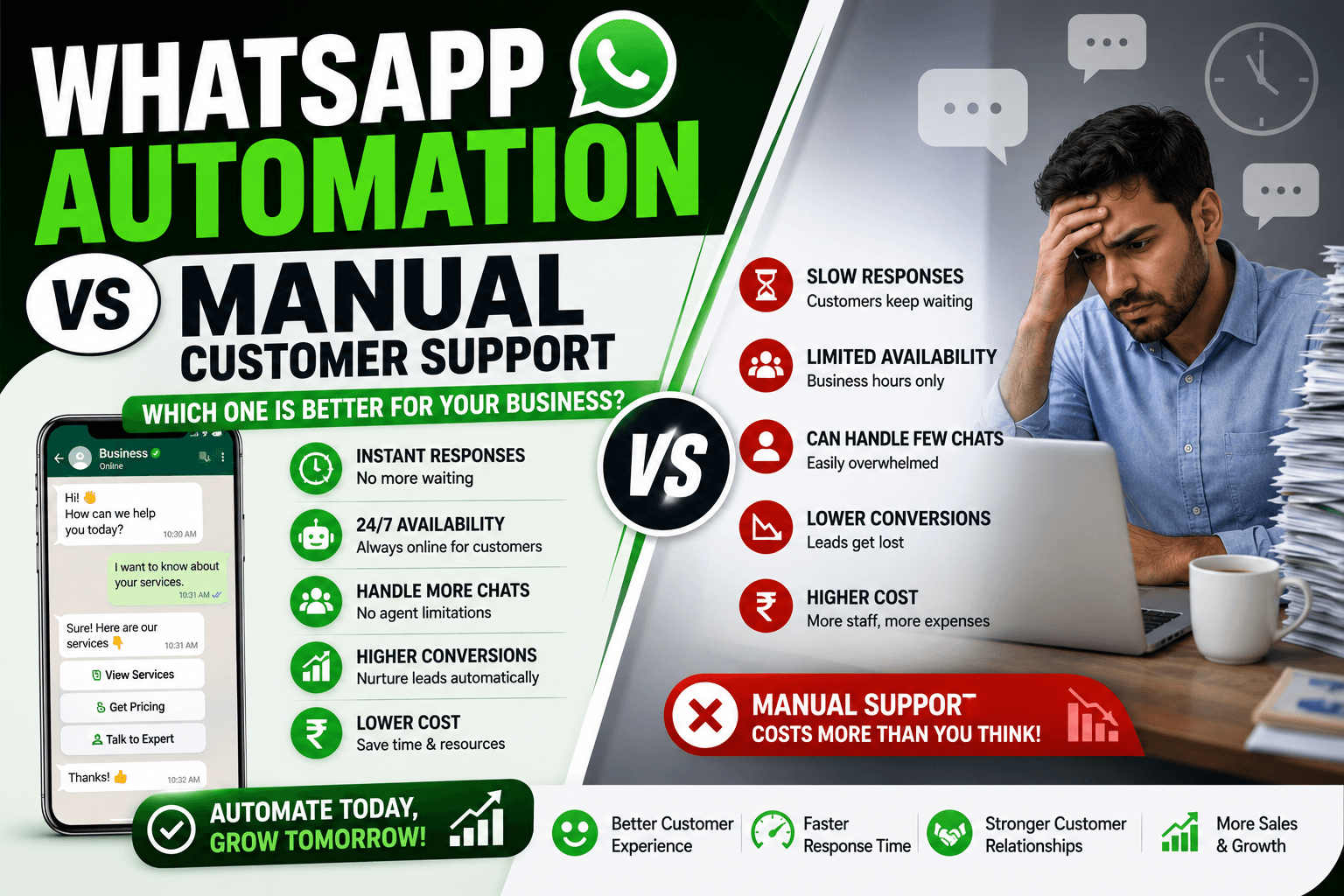
| Response Time | Instant (24/7) | Depends on agent availability |
| Scalability | Unlimited simultaneous conversations | Limited by team size |
| Cost | Lower at scale | Increases with staff size |
| Personalization | Good for structured conversations | Excellent for complex interactions |
| Availability | 24/7 | Business hours |
| Best For | FAQs, bookings, reminders, lead qualification | Complaints, negotiations, sensitive issues |
Response Time and Availability
Automation responds within seconds regardless of the time of day, while manual support depends entirely on when agents are available.
Businesses where fast response directly impacts conversions such as real estate, healthcare, and e-commerce often see the greatest benefit from automated first responses.
Cost of Automation vs Manual Support
Manual support costs generally increase with conversation volume because businesses need more agents.
Automation has an initial setup cost, but the cost per conversation remains relatively stable even as message volume increases.
For businesses handling hundreds of conversations each day, automation usually provides better long-term efficiency.
Customer Experience and Personalization
Modern AI chatbots can provide fast, accurate responses for routine questions when trained on business-specific information.
However, human agents remain better suited for conversations involving empathy, negotiation, or unique customer situations.
Where Automation Wins
- Answering repetitive questions
- Lead qualification
- Appointment reminders
- Order updates
- After-hours support
- Large-scale messaging campaigns
Where Manual Support Still Wins
- Complaint handling
- Customer escalations
- Custom quotations
- Negotiations
- Healthcare discussions
- Financial disputes
- High-value customer relationships
The Hybrid Model: Best of Both
Most successful businesses combine automation with human support.
Automation handles:
- Greeting customers
- Answering FAQs
- Collecting customer information
- Qualifying leads
- Scheduling appointments
Human agents take over when conversations become:
- Complex
- Sensitive
- High-value
- Complaint-related
- Emotionally driven
This approach delivers faster service while preserving a personalized customer experience.
Real-World Examples by Industry
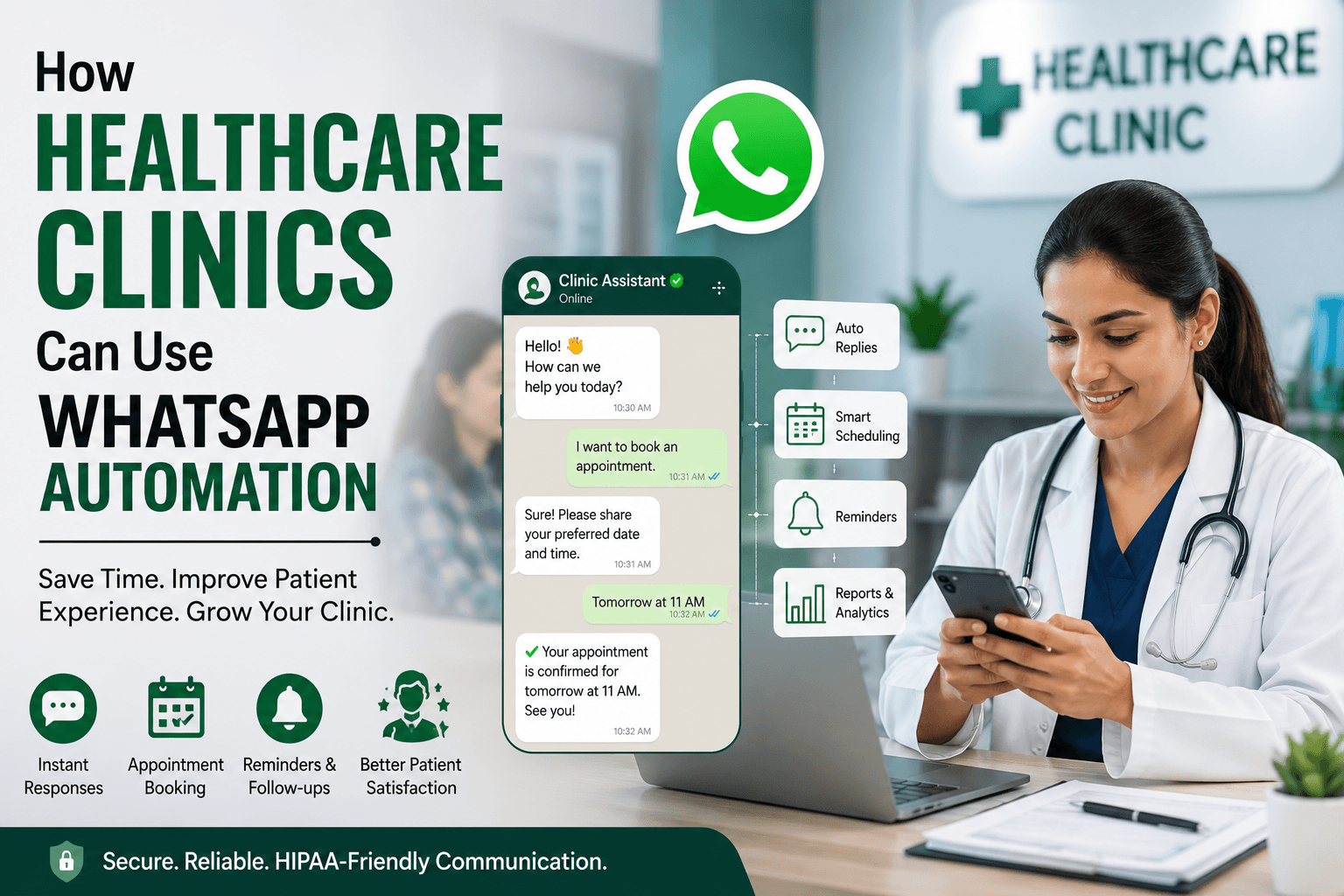
Healthcare
Automated appointment reminders reduce missed appointments while staff focus on patient care.
Real Estate
Bots qualify property inquiries before agents schedule site visits.
Education
Admission FAQs are handled automatically while counselors manage personalized guidance.
E-commerce
Order tracking and shipping notifications are automated, while support teams manage returns and complaints.
Salons & Spas
Appointment confirmations and reminders reduce no-shows without increasing front-desk workload.
Best Practices for Implementation
- Automate your most common customer questions first.
- Always provide a clear option to speak with a human.
- Train AI using accurate and updated business information.
- Monitor conversations regularly.
- Continuously improve chatbot workflows.
- Keep human agents involved in complex conversations.
Common Mistakes to Avoid
- Trying to automate every conversation.
- Not providing human escalation.
- Using outdated chatbot information.
- Ignoring customer feedback.
- Failing to monitor automation performance.
Expert Perspective
The most successful businesses follow a simple principle:
Automate predictable conversations and let humans handle exceptional ones.
This creates better customer satisfaction while improving operational efficiency.
Implementation Checklist
- Identify your top 10 customer questions.
- Select an official WhatsApp Business API platform.
- Create automated workflows for FAQs.
- Configure human handoff triggers.
- Train your chatbot using business content.
- Test the complete customer journey.
- Monitor conversation quality.
- Continuously optimize workflows.
Frequently Asked Questions
Is WhatsApp automation better than manual support?
Neither is universally better. Automation excels at repetitive conversations, while manual support is more suitable for complex or emotionally sensitive interactions.
Will customers know they're talking to a bot?
Many businesses disclose chatbot usage upfront and provide an easy option to connect with a human agent.
Can small businesses benefit from WhatsApp automation?
Yes. Even basic automation for FAQs and appointment reminders can save time and improve customer responsiveness.
Does automation work with the official WhatsApp Business API?
Yes. Most reliable WhatsApp automation platforms use the official WhatsApp Business API.
Which conversations should businesses automate first?
Start with frequently asked, repetitive questions such as pricing, business hours, appointment booking, and order status.
Conclusion
WhatsApp automation and manual customer support each have unique strengths. Automation delivers speed, consistency, and scalability, while human agents provide empathy, judgment, and relationship-building.
Rather than choosing one over the other, most modern businesses achieve the best results by combining both using automation for routine conversations and allowing human teams to focus on situations where personal interaction creates the greatest value.